
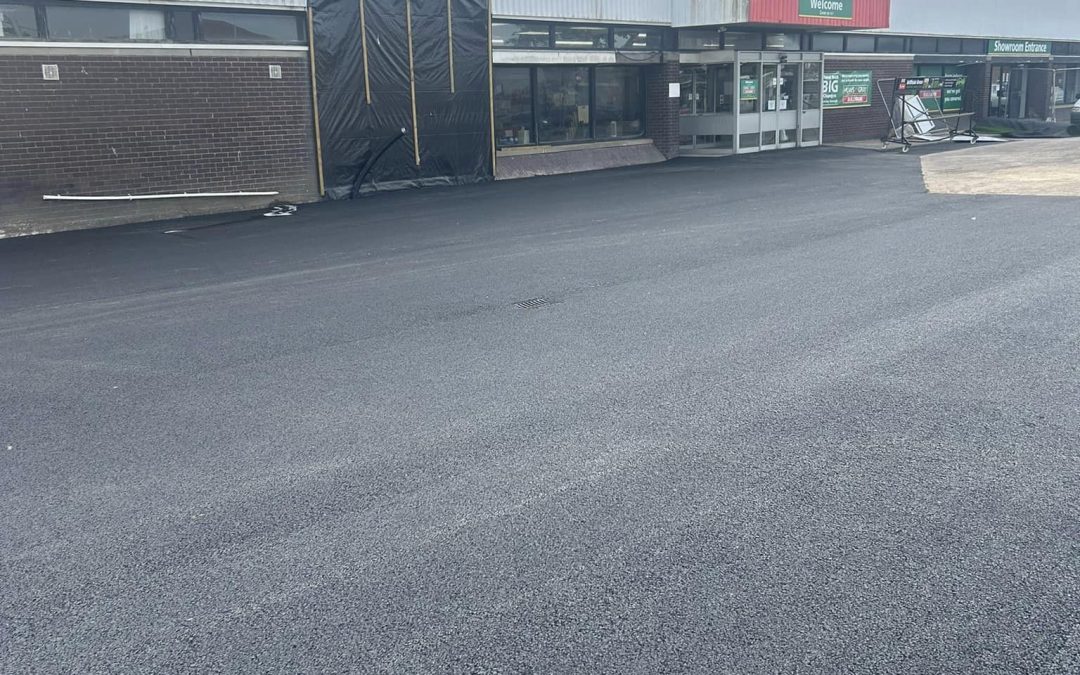
Whether in real estate or other fields, concrete is widely popular for its durability, strength, and versatility. They usually serve for years and do not require intense upkeep. However, like any material, it is also impacted by weather events. Over time, weather conditions—from heavy rainfall and frost to extreme heat and strong winds—can permanently weaken and damage the foundation. Learning about signs of weather damage allows you to connect with a professional commercial concreting service in Southampton for repair services.
How Does Weather Affect Concrete?
Rain and Moisture Damage
The UK weather is renowned for its unpredictable nature and frequent rainfall. Excessive moisture is fatal to concrete structures. If the moisture seeps into the material, it leads to cracking, weakening, and corrosion of internal steel reinforcements. It can also erode the upper layer of the concrete if it gets the chance to combine with pollutants. To understand these issues, look for signs such as chips or flakes of concrete and minor cracks.
Frost and Freeze-Thaw Cycles
The country experiences a chilly winter for approximately four to five months, during which the freeze-thaw cycle can cause surface cracking. This happens because water droplets enter the pores of the concrete and freeze. Due to freezing, its size increases and begins to impose pressure on the structure. With time, it also increases porosity, making future water infiltration easier and weakening the entire structure.
Heat and UV Damages
Although the UK does not experience as much heat as other countries, concrete structures still face significant damage due to UV exposure. Constant exposure results in excessive drying, leading to shrinkage cracks and breakdown of protective sealants, which increases vulnerability to moisture. The UV rays also cause thermal expansion and contraction. With time, it creates stress on structural joints. Mainly, concrete structures built in open spaces, such as car parks, bridges, and pavements, face these issues.
Wind and Airborne Issues
Storms are quite common in the UK and carry loads of dust, debris, and pollutants. Due to the intense wind, it erodes the upper surface of the concrete, causing cracks as debris is generated. The strong wind is also a significant contributor to chemical damage, as pollutants mix with moisture.
How to Tackle Weather-Related Issues to Maintain Concrete Structure?
Hire a Professional For Maintenance Service
Partnering with a commercial concreting company in Southampton helps you to access the best technicians. They use a waterproof sealant to close the cracks, preventing moisture infiltration and reducing freeze-thaw damage. They not only efficiently resolve the underlying issues but also use weather-resistant concrete mixes. These mixes prevent water penetration and can improve durability.
Book Regular Inspection Session
Regular inspection of the property helps identify minor issues, such as cracks, and major issues, like water pooling. Early intervention is key to preventing costly repairs and serious structural damage.
Inspect your concrete structures regularly and do not ignore these signs. To handle these issues, a professional intervention is necessary. If your property is facing these issues and you are wondering who to contact, please reach out to us. At BT Concrete, we have a team of skilled and experienced commercial concreting service providers. Our team members can identify the underlying issues at the beginning and offer tailored strategies.
Book concreting service now.