
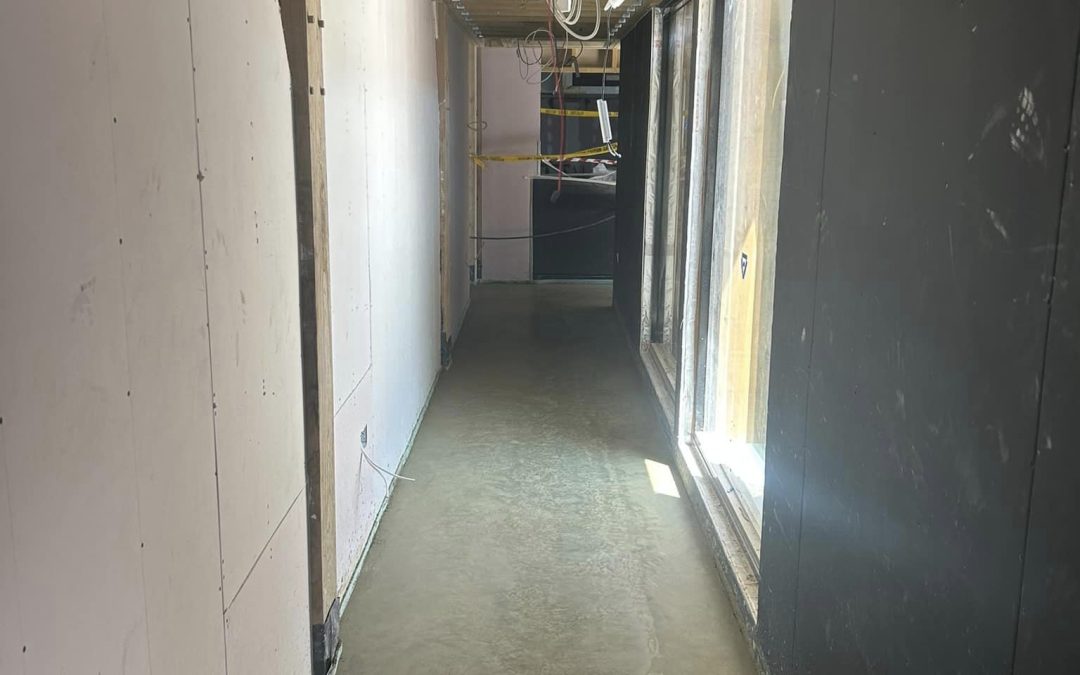
Commercial concreting in Portsmouth has been in huge demand recently. Regardless of whether you’re constructing a retail complex, warehouse, or industrial floor, small mistakes are common. Even the most minor blunders during the concreting process have the potential to create structural problems, expensive delays, and safety risks. Fortunately, you can avoid them through proper planning and knowledge. In this blog, you will learn about five of the most common commercial concreting errors and tips on how to steer clear of them for a successful long-term outcome.
Mistakes to Look Out For
Unprepared Site
Avoiding or neglecting site preparation is among the most frequent commercial concreting mishaps. Irregular ground, inadequate drainage, and remaining debris can undermine the whole slab’s stability. The best way to avoid this problem is by starting with a careful site inspection. Clear the site, level the ground, and compact the soil properly. If you’re hiring a professional contractor for commercial concreting, ensure they cover grading and sub-base preparation under their work scope.
Incorrect Concrete Mix Design
The use of an inappropriate concrete mix for the purpose can lead to weak slabs, early cracking, or poor durability. Varying commercial environments demand varying mix strengths and additives. Try collaborating with seasoned concreting experts who know the regional specifications and have experience operating locally. For instance, heavy traffic sections such as car parks or factory floors require more compressive strength and possibly reinforcement. A skilled contractor will customise the mix depending on usage, exposure conditions, and curing times.
Inadequate Reinforcement or Placement
Not using the correct type of reinforcement or improperly installing it can lead to less structural strength. Additionally, it can also lead you to possible slab failure. Your reinforcement must be properly spaced and hung away from the ground to be effective. Reinforcement in commercial construction must conform to engineering standards. Make sure your contractor is following current building codes and using the correct materials for the reinforcement.
Poor Finishing Techniques
Hastening the finishing process or employing improper tools may lead to surface defects like scaling, dusting, or irregular textures. Inadequate timing also affects the durability of the surface. Finishing must only be started once the bleed water dries up. Experienced concreters will know when troweling, floating, and texturing should be done. On commercial concreting jobs, with anticipated foot traffic and vehicle wear, accurate finishing is imperative for durability and safety.
Ignoring Proper Curing
Omitting or reducing the curing time can significantly impair the concrete and make cracks more likely. Especially during winter, this error can be particularly disastrous. Keep the concrete moist and away from extreme weather conditions for the first 7 days. Apply curing compounds, wet covers, or plastic sheeting accordingly. A professional commercial concreting firm will be able to handle it with proper planning for curing time and by monitoring weather conditions.
Build It Right the First Time
Steering clear of these most frequent mistakes is essential to guaranteeing that your commercial concreting endeavour is strong, affordable, and secure. Are you planning to oversee a new development or refurbish the current infrastructure recently? Look no further than us here at BT Concrete Ltd. We are the most reputable company for commercial concreting in Portsmouth. Hiring us will not only save you money and time but also hassle, later on.